Mountain rescue operations are complex, risky and highly dependent on terrain, time and weather conditions.Increasingly, the Mountain Rescue Service responds to signals submitted in the dark part of the day or from isolated, hard-to-reach areas, off marked trails.Tourists and sportsmen often ask whether rescue operations are limited in time and area, and whether insurance covers this type of intervention.🌙
Are there night rescue operations?
Yes, rescue operations are also carried out at night, but with some restrictions.PSS teams work around the clock, but:
- cedibilityisgreatly limits speed and safety;
- hhelicopter operations do not take place at night;
- rreaction is slower, especially in fog, snow or storm;
- Frorientation in unlit, forested terrain is more difficulto;
- rthe radio and GPS signal may be difficult.
In an emergency, PSS teams leave immediately, regardless of the time, coordinating actions with 112, local authorities and the victim's relatives.More information aboutmountain insurance here!
Rescue operations in hard-to-reach areas - are there any restrictions?
Rescue teams also respond in isolated, unmarked and high-mountain areas, but:
- tareas with avalanche danger may temporarily delay the action;
- cthe arrival time is longer – up to 6–8 hours in winter conditions;
- nthe use of rope systems, sleds, motorbikes and snowshoes is recommended;
- hhelicopter is used only in daylight and good conditions;
- pif necessary, army or border forces are also involved.
Insurance policies must specifically cover „hard-to-reach terrain“and „unlit mountain areas“, as not all of them include it by default.
📊 Realistic parameters for night and difficult rescue operations
| Тип операция | Средна продължителност | Хеликоптер | Честота | Изисква специална застраховка |
| Нощно търсене по пътека | 2–4 часа | Не. | Честа | Не винаги |
| Спасяване в скален терен | 4–6 часа | Не. | Рядка | Препоръчителна |
| Хеликоптер до високопланинска хижа | 20–40 мин (ден) | Да. | Средна | Задължителна |
| Изгубване в гъста гора | 3–5 часа | Не. | Честа | Частично |
| Спасителна акция при лавина | 6+ часа | Само ден. | Рядка | Задължителна |
Does the standard insurance cover night and difficult rescue operations?
Not always.Many basic policies only cover marked routes, resort tracks and daylight incidents.Extended mountain insurances include: 24/7 coverage for rescue operations, air transport from the scene of an accident, ground transport in difficult areas and expenses up to BGN 10,000. If the tourist does not have valid or suitable insurance, all costs are borne by him.The helicopter action alone can cost between BGN 5,000 and BGN 8,000.
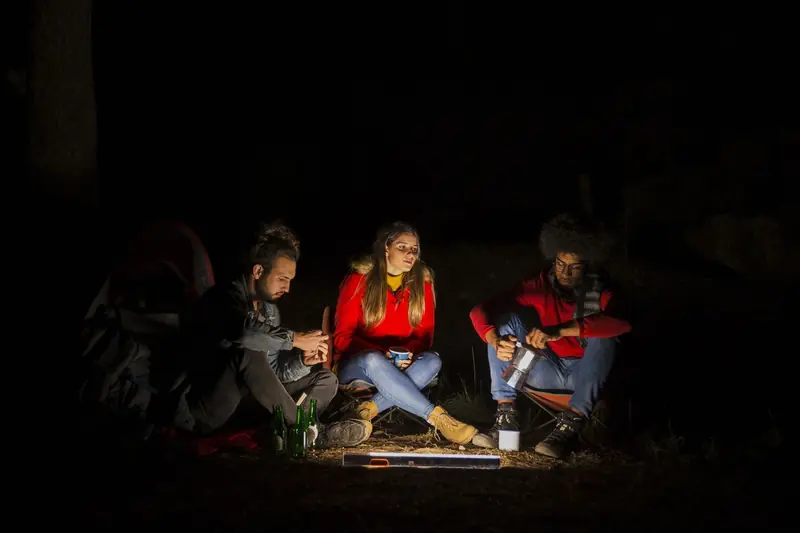
What should you do in the event of an accident in such conditions?
- Call 112 immediately;
- Describe the location;
- Save phone battery - may need a connection later;
- Dress well and find shelter;
- Follow the instructions from the PSS by phone;
- If you have insurance - notify the insurer immediately.
Having mountain insurance doesn't guarantee a faster rescue, but it does cover the financial damage afterwards.
When are rescue operations delayed or cancelled?
It is not covered in extreme weather (storm, hurricane wind, fog), in the absence of location information, if the terrain is too dangerous even for rescuers, and if the person has deliberately violated traffic rules on the route.In rare cases, the PSC refuses immediate intervention if the risks to the team are excessive.
What does suitable insurance cover for such cases?
- Coverage for terrains above 2000 m;
- Searching in unlit and unfamiliar areas;
- Helicopter evacuation included;
- Incapacity benefit;
- Medical expenses up to BGN 10,000.;
- 24/7 activity with no time limit.
When buying a policy, always check if it contains a clause for "emergency rescue operations without time and terrain restrictions".
How to reduce the risk of night and difficult rescue?
Use an app with GPS tracking.Bring a helmet and a spare battery.Do not leave marked routes.Don't underestimate recovery time.Move in a group, not alone.Most accidents after sunset are the result of poor preparation and lack of orientation.Good gear, a clear route and valid insurance save lives – literally.
Frequently asked questions
Are rescue operations carried out at night?
Answer: Yes, the Mountain Rescue Service also responds at night in emergencies.However, the work is significantly slower and riskier due to limited visibility.Helicopters are not used at night.The operations are carried out entirely on land with helmsmen and special equipment.
Does the PSS react in hard-to-reach and unmarked areas?
Answer: Yes, rescuers also respond outside marked routes, including in rocky and avalanche-dangerous areas.In these cases, it may take hours to reach the victim.Rope systems and specialized equipment are often used.Helicopters are engaged only in daylight and suitable weather.
Does standard mountain insurance cover night rescue actions?
Answer: Not every insurance includes it automatically.Some basic policies only apply to marked trails and day activities.For night operations and difficult terrain, extended coverage is required.It is important that it explicitly says "24/7 rescue operations".
What costs can accrue in a major rescue operation?
Answer: A helicopter operation can cost between 5,000 and 8,000 BGN. A ground search by several teams can also lead to serious costs.If you don't have adequate insurance, you pay everything yourself.This includes medical transport and treatment.
When can a rescue operation be postponed?
Answer: In extremely dangerous conditions - storm, dense fog or avalanche danger - the PSS can postpone access.If there is no accurate location information, the search also becomes difficult.Rescuer safety is always a priority.Intervention begins as soon as conditions permit.
Download the app

Download the app
Mountain rescue operations are complex, risky and highly dependent on terrain, time and weather conditions.Increasingly, the Mountain Rescue Service responds to signals submitted in the dark part of the day or from isolated, hard-to-reach areas, off marked trails.Tourists and sportsmen often ask whether rescue operations are limited in time and area, and whether insurance covers this type of intervention.🌙
Are there night rescue operations?
Yes, rescue operations are also carried out at night, but with some restrictions.PSS teams work around the clock, but:
- cedibilityisgreatly limits speed and safety;
- hhelicopter operations do not take place at night;
- rreaction is slower, especially in fog, snow or storm;
- Frorientation in unlit, forested terrain is more difficulto;
- rthe radio and GPS signal may be difficult.
In an emergency, PSS teams leave immediately, regardless of the time, coordinating actions with 112, local authorities and the victim's relatives.More information aboutmountain insurance here!
Rescue operations in hard-to-reach areas - are there any restrictions?
Rescue teams also respond in isolated, unmarked and high-mountain areas, but:
- tareas with avalanche danger may temporarily delay the action;
- cthe arrival time is longer – up to 6–8 hours in winter conditions;
- nthe use of rope systems, sleds, motorbikes and snowshoes is recommended;
- hhelicopter is used only in daylight and good conditions;
- pif necessary, army or border forces are also involved.
Insurance policies must specifically cover „hard-to-reach terrain“and „unlit mountain areas“, as not all of them include it by default.
📊 Realistic parameters for night and difficult rescue operations
| Тип операция | Средна продължителност | Хеликоптер | Честота | Изисква специална застраховка |
| Нощно търсене по пътека | 2–4 часа | Не. | Честа | Не винаги |
| Спасяване в скален терен | 4–6 часа | Не. | Рядка | Препоръчителна |
| Хеликоптер до високопланинска хижа | 20–40 мин (ден) | Да. | Средна | Задължителна |
| Изгубване в гъста гора | 3–5 часа | Не. | Честа | Частично |
| Спасителна акция при лавина | 6+ часа | Само ден. | Рядка | Задължителна |
Does the standard insurance cover night and difficult rescue operations?
Not always.Many basic policies only cover marked routes, resort tracks and daylight incidents.Extended mountain insurances include: 24/7 coverage for rescue operations, air transport from the scene of an accident, ground transport in difficult areas and expenses up to BGN 10,000. If the tourist does not have valid or suitable insurance, all costs are borne by him.The helicopter action alone can cost between BGN 5,000 and BGN 8,000.
What should you do in the event of an accident in such conditions?
- Call 112 immediately;
- Describe the location;
- Save phone battery - may need a connection later;
- Dress well and find shelter;
- Follow the instructions from the PSS by phone;
- If you have insurance - notify the insurer immediately.
Having mountain insurance doesn't guarantee a faster rescue, but it does cover the financial damage afterwards.
When are rescue operations delayed or cancelled?
It is not covered in extreme weather (storm, hurricane wind, fog), in the absence of location information, if the terrain is too dangerous even for rescuers, and if the person has deliberately violated traffic rules on the route.In rare cases, the PSC refuses immediate intervention if the risks to the team are excessive.
What does suitable insurance cover for such cases?
- Coverage for terrains above 2000 m;
- Searching in unlit and unfamiliar areas;
- Helicopter evacuation included;
- Incapacity benefit;
- Medical expenses up to BGN 10,000.;
- 24/7 activity with no time limit.
When buying a policy, always check if it contains a clause for "emergency rescue operations without time and terrain restrictions".
How to reduce the risk of night and difficult rescue?
Use an app with GPS tracking.Bring a helmet and a spare battery.Do not leave marked routes.Don't underestimate recovery time.Move in a group, not alone.Most accidents after sunset are the result of poor preparation and lack of orientation.Good gear, a clear route and valid insurance save lives – literally.
Frequently asked questions
Are rescue operations carried out at night?
Answer: Yes, the Mountain Rescue Service also responds at night in emergencies.However, the work is significantly slower and riskier due to limited visibility.Helicopters are not used at night.The operations are carried out entirely on land with helmsmen and special equipment.
Does the PSS react in hard-to-reach and unmarked areas?
Answer: Yes, rescuers also respond outside marked routes, including in rocky and avalanche-dangerous areas.In these cases, it may take hours to reach the victim.Rope systems and specialized equipment are often used.Helicopters are engaged only in daylight and suitable weather.
Does standard mountain insurance cover night rescue actions?
Answer: Not every insurance includes it automatically.Some basic policies only apply to marked trails and day activities.For night operations and difficult terrain, extended coverage is required.It is important that it explicitly says "24/7 rescue operations".
What costs can accrue in a major rescue operation?
Answer: A helicopter operation can cost between 5,000 and 8,000 BGN. A ground search by several teams can also lead to serious costs.If you don't have adequate insurance, you pay everything yourself.This includes medical transport and treatment.
When can a rescue operation be postponed?
Answer: In extremely dangerous conditions - storm, dense fog or avalanche danger - the PSS can postpone access.If there is no accurate location information, the search also becomes difficult.Rescuer safety is always a priority.Intervention begins as soon as conditions permit.